In today’s demanding work environment, professional stress can have far-reaching effects beyond career performance. Emerging research suggests a strong link between workplace burnout and male fertility, particularly sperm quality and count. Understanding how work stress affects reproductive health is crucial for men looking to maintain fertility while managing professional demands.
Work Stress and Male Fertility – The Hidden Connection
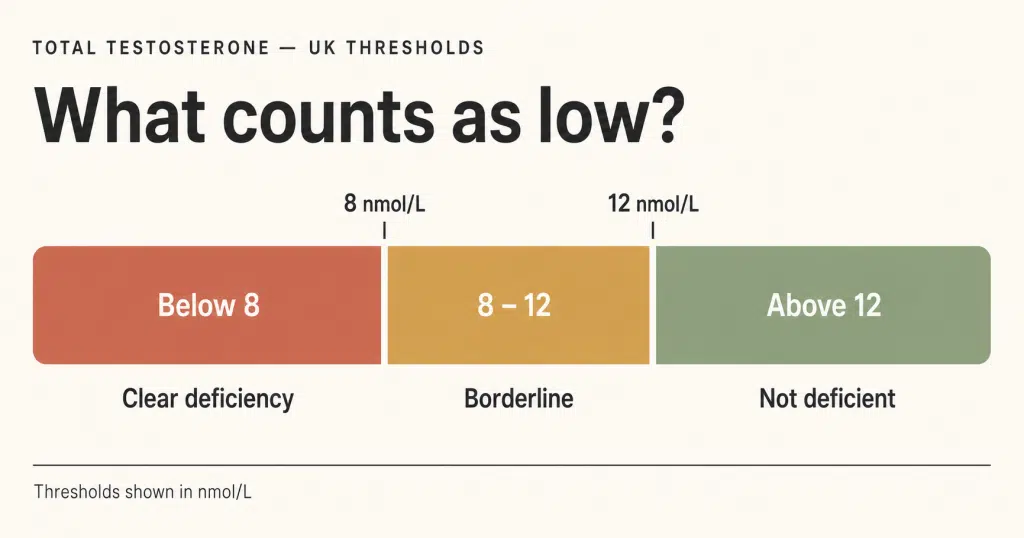
Chronic stress, especially from high-pressure jobs, can disrupt the body’s hormonal balance. Elevated stress levels lead to increased cortisol production, a hormone that, when consistently high, suppresses testosterone. Since testosterone is critical for sperm development, a reduction in this hormone can lead to lower sperm count, decreased motility, and poorer overall sperm health.
A study from Columbia University found that psychological stress negatively impacts sperm concentration, morphology, and fertilization ability (source). Other research links high work-related stress to reduced semen volume and increased DNA fragmentation in sperm, factors that can affect male reproductive potential.
How Job Stress Impacts Sperm Health and Male Fertility
Work stress affects sperm health in several ways:
- Hormonal Imbalance: Increased cortisol levels suppress gonadotropin-releasing hormone (GnRH), which lowers testosterone and reduces sperm production.
- Oxidative Stress: Chronic stress triggers the release of reactive oxygen species (ROS), which can damage sperm DNA and impair motility.
- Lifestyle Factors: Stress often leads to poor sleep, unhealthy eating, increased alcohol intake, and reduced exercise, all of which negatively impact sperm quality.
Research Findings on Stress and Semen Parameters
| Study | Key Findings |
|---|---|
| Columbia University | Stress reduces sperm concentration and motility (source). |
| Nature Review Urology | Stress alters hormone levels, disrupting spermatogenesis (source). |
| PubMed | Elevated stress leads to lower testosterone and poorer sperm health (source). |
Sleep Deprivation, Work Pressure, and Testosterone Decline
Work stress often disrupts sleep, further damaging fertility. Research shows that men who sleep fewer than six hours per night have lower testosterone levels and reduced sperm motility. Poor sleep also contributes to oxidative stress, exacerbating sperm DNA damage.
To counteract this, men should focus on proper sleep hygiene by maintaining a consistent sleep schedule, reducing blue light exposure before bed, and managing caffeine intake in the afternoon.
Workplace Burnout and Its Effect on Reproductive Health
Work stress doesn’t just impact sperm—it affects overall sexual health, leading to reduced libido, erectile difficulties, and decreased reproductive performance. Chronic stress triggers an overproduction of cortisol, which interferes with testosterone levels, causing sexual dysfunction.
Studies indicate that men in high-stress jobs report higher rates of erectile dysfunction (ED) and lower sexual desire. Stress-induced performance anxiety can also contribute to fertility struggles by reducing the frequency of sexual activity. Over time, these factors compound and negatively influence sperm quality and motility.
Research from the American Journal of Men’s Health highlights that men experiencing workplace burnout often exhibit symptoms of depression, anxiety, and fatigue— all of which are associated with hormonal imbalances that further impair sexual and reproductive health.
To mitigate these effects, men should focus on stress reduction strategies like regular exercise, mindfulness, and open communication with partners or healthcare professionals. Addressing workplace stress is not just essential for mental health—it directly impacts fertility potential.
Workplace Stress and Hormonal Imbalances in Male Fertility
Toxic work environments can amplify stress-related fertility issues. High-pressure corporate jobs often lead to chronic stress, whereas companies with better work-life balance tend to foster healthier employees. Employers can support reproductive health by offering wellness programs, flexible work hours, and mental health resources.
Supplements & Nutrients That Support Fertility Under Stress
Certain nutrients can help counteract the effects of stress on fertility:
- Zinc & Vitamin D: Essential for testosterone production and sperm quality.
- Omega-3 Fatty Acids: Help reduce inflammation and improve sperm motility.
- Ashwagandha & Rhodiola: Adaptogens known to lower cortisol and enhance reproductive function.
Including these in a balanced diet or supplement regimen can aid in managing stress and protecting fertility.
Ways to Protect Fertility from Work-Related Stress
Managing stress effectively can improve fertility outcomes. Here are some key strategies:
- Mindfulness & Relaxation Techniques: Meditation, breathing exercises, and yoga help lower cortisol.
- Exercise: Regular physical activity boosts testosterone and reduces stress hormones.
- Healthy Diet: A diet rich in antioxidants can protect sperm from oxidative stress.
- Seeking Professional Support: Therapy or counseling can provide tools to manage workplace stress.
Taking Action: What Can You Do Next?
If you’re concerned about how Work Stress and Male Fertility are connected, consider assessing your sperm health with a home sperm test. Understanding your baseline can help you take proactive steps to improve reproductive health.
Have you noticed stress affecting your health? What strategies have worked for you? Share your thoughts in the comments or explore more resources on managing stress and fertility.
By taking action now, you can protect both your career and reproductive health for the future.